

Dry needling for TMJ management
We may recommend dry needling for TMJ pain as part of your personalised treatment plan to help ease tight jaw muscles, reduce pain, and make everyday movements like eating and talking feel more comfortable.


Understanding TMJ disorders
The temporomandibular joint (TMJ) is the hinge connecting your jawbone to your skull. Temporomandibular disorders (TMD) arise when this joint or the surrounding muscles do not work properly. Symptoms often include:
- Jaw pain
- Clicking or locking of the jaw
- Difficulty chewing
- Headaches
- Earache.
Because many different factors can influence TMD, we emphasise a multidisciplinary approach to management. Your treatment plan at TMJ Clinics may include physiotherapy, dental care and other treatments, such as dry needling.
What is dry needling?
Dry needling involves the placement of very thin, sterile needles into tight bands of muscle, known as trigger points.
No substances are injected (that’s why it’s called ‘dry’ needling). The needle’s presence helps release muscle tension and reduce pain.
For TMJ management, dry needling often targets muscles such as the masseter, temporalis, and neck muscles, which are commonly involved in jaw dysfunction.
How does dry needling help TMJ?
Dry needling may help manage TMJ pain and symptoms in several ways.
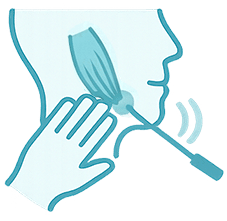
Releasing trigger points
Trigger points in the jaw muscles can cause pain. Releasing them may reduce discomfort.

Reduce muscle hyperactivity
Teeth clenching and grinding are common in TMD. Dry needling reduces muscle tone which helps reduce muscle hyperactivity.
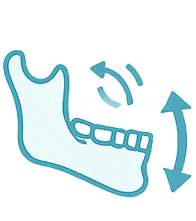
Improving jaw mobility
Dry needling can reduce muscle tension which may improve mouth opening and chewing function.

Easing pain
Dry needling may reduce facial pain.
How does dry needling work?
Our physiotherapists have all completed additional training to advance their skills in dry needling for TMJ.
1 Get comfortable:
You will lie still on a treatment table while your physio gently examines the muscles around your jaw and neck.
2 Needle placement:
Your physiotherapist inserts fine, sterile needles into trigger points in the jaw or nearby muscles.
3 Muscle response:
You may feel a brief twitch or mild ache as the needle reaches the trigger point — this is a normal sign that the muscle is responding.
4 Needles at work:
The needles remain in place for a few minutes, helping the muscle fibres relax, which in turn helps to improve blood flow and calm irritated nerves.
5 After your session:
There’s no downtime so you can continue with whatever you had planned for your day. You may notice improvements immediately or you may experience gradual changes over several sessions.
6 Continued treatment:
Most patients require several sessions for lasting benefit. We often combine needling with exercises and lifestyle advice to achieve the best results.
Side effects and patient considerations
Dry needling is generally well-tolerated but side effects may include:
- Mild soreness or aching for 24–48 hours
- Minor bleeding or bruising at the needle site
- Dizziness or fainting
- Small risk of infection – significantly reduced by the use of sterile equipment.
Dry needling may not be suitable if you are pregnant, have certain health conditions or take certain medications.
That’s why we always begin with a thorough assessment of your medical history.
Next steps
Living with TMJ pain can make even simple things — like eating, chatting, or smiling — uncomfortable. Dry needling is a gentle, evidence-based treatment that can help release tight muscles, ease discomfort and improve the mobility of your jaw.
Dry needling is just one of the therapies we may include as part of your personalised treatment plan. At TMJ Clinics, our team takes the time to listen, understand your symptoms, and tailor a treatment plan that’s right for you.
Tired of TMJ pain?
Disclaimer
All information is general and not intended as a substitute for professional advice. Any surgical or invasive procedure carries risks.