

TMJ physiotherapy
TMJ Clinics provides holistic, multidisciplinary care for temporomandibular joint disorders (TMD), which involves treating both the joint and the related soft tissues.
Physiotherapy is part of our integrated approach to TMD, working alongside dental assessment, splint therapy and medical treatments.
How does physiotherapy help TMJ symptoms?
Your jaw works closely with the muscles of your face, head and neck. In some people with TMD, these muscles may be tender, sensitive, overactive or poorly coordinated.
Jaw symptoms can also be influenced by habits such as daytime jaw bracing or clenching, sleep, stress, neck symptoms and how the nervous system processes pain.
TMJ physiotherapy may be considered if you experience:
- Jaw, facial or temple pain
- Tight or tender jaw muscles
- Headaches linked to jaw or neck muscle tension
- Neck pain or stiffness occurring alongside jaw symptoms
- Restricted or uncomfortable jaw movement
- Daytime clenching or grinding
- Discomfort when chewing, talking or yawning
- Difficulties adjusting to the TMJ splint prescribed as part of your TMD care.
Your physiotherapist will review the findings from your TMJ assessment consultation and complete a musculoskeletal examination. Your care plan is tailored to your symptoms, function, goals and clinical presentation.
Your physiotherapy care pathway at TMJ Clinics
TMD care is individual. Physiotherapy may include a combination of the following approaches, selected when clinically appropriate.

Education
Understanding your condition can help you make informed, practical changes. Your physiotherapist may discuss:
- Factors that may aggravate or settle your symptoms
- Pacing and modifying activities during a flare-up
- Jaw-resting habits and reducing unnecessary tooth contact during the day
- Sleep, stress and general strategies that support pain management
- Temporary diet or lifestyle modifications where these are appropriate.
Manual Therapy
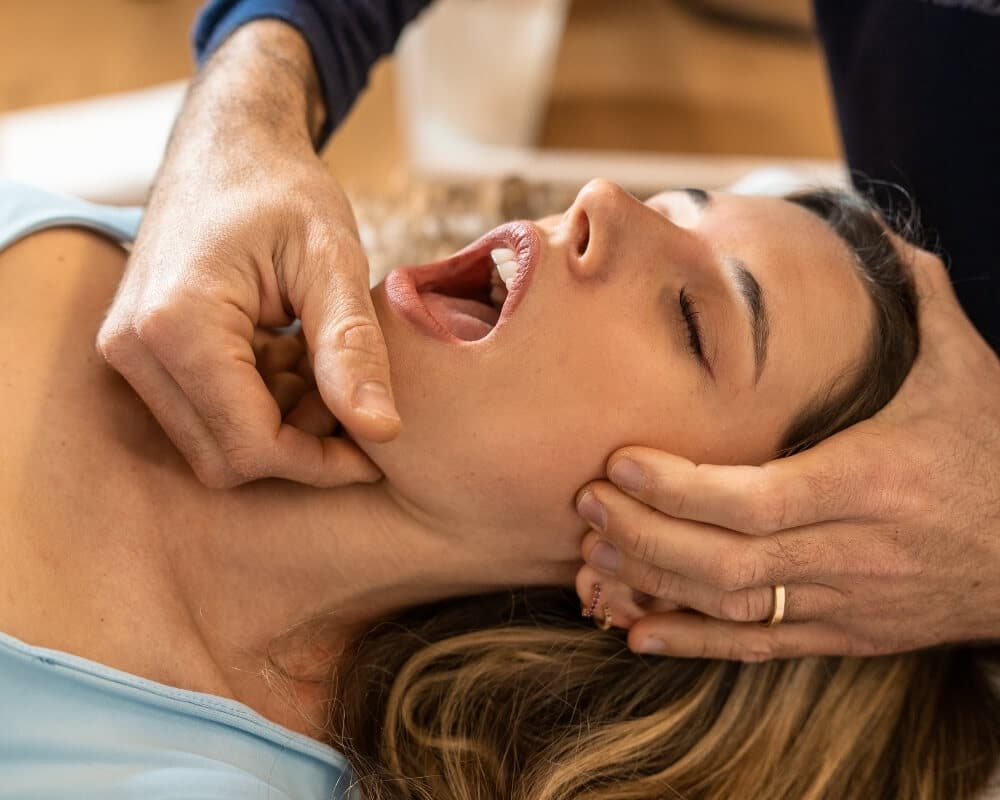
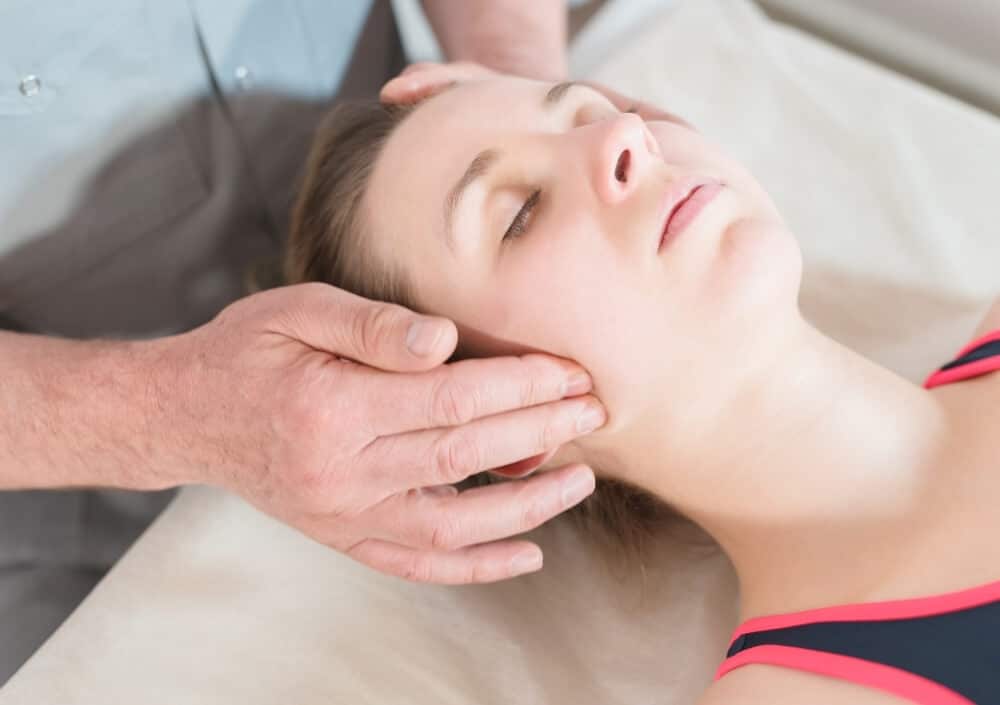
- Massaging the masseter muscles to help ease pain and relieve tension
- Joint mobilisation to improve range of motion
- Hands-on therapy to ease neck and head tension.

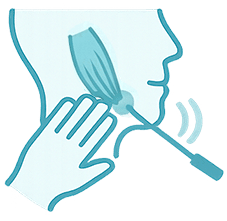
Dry needling for facial tension
- Aims to release myofascial trigger points using fine, sterile needles
- Reduces overactive muscles
- Helps ease pain and improve jaw mobility.
Addressing daytime clenching
- Helps you notice clenching patterns, e.g. when working, concentrating or driving
- Aims to retrain your habits to reduce strain on the jaw muscles.
Physiotherapy after splint fitting
- Recommended two weeks after starting to wear your TMJ splint
- Helps ease muscle tension, which can make wearing the splint more comfortable.
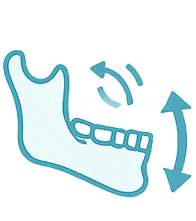
Exercise and movement retraining
- Controlled jaw-opening or jaw-movement exercises
- Gentle stretching or mobility exercises
- Muscle-relaxation techniques
- Neck and upper-body exercises where relevant
- Postural and ergonomic advice
- Read our Definitive guide to managing TMJ at home
Integrated TMD care
TMJ Clinics brings dental and physiotherapy care together, so you don’t have to coordinate your own treatment or repeat your history to each clinician.
Your physiotherapist reviews your TMJ assessment and liaises directly with your treating dentist, working from one shared picture of your symptoms.
TMJ Clinics’ dentist
Initial assessment
Evaluates:
- Health of the TMJ joint
- Size of the masseter muscles connecting your cheekbone and lower jaw
- Signs of jaw tension, clenching and teeth grinding
- Other factors affecting load on the joint.
Recommends a treatment plan, which may include:
- TMJ physiotherapy
- Dental splints for TMJ
- Medical treatments for TMJ
TMJ Clinics’ physiotherapist
Ongoing care
Reviews your assessment report and examines musculoskeletal aspects of TMD, including:
- Jaw movement
- Muscle tension and tenderness
- Neck posture
- Daytime clenching patterns
- Influence of stress.
Develops and carries out the physiotherapy aspects of your treatment plan.
Communicates with your dentist to support coordinated care.
FAQs
What does TMJ physiotherapy involve?
TMJ physiotherapy typically involves manual therapy, jaw and postural exercises, and education about the muscular factors contributing to your symptoms. Your physiotherapist tailors these techniques to your individual TMJ assessment, and treatment may also include dry needling where clinically appropriate.
How is physiotherapy different from seeing a TMJ dentist?
A TMJ Clinics dentist assesses the joint itself, your bite and other factors affecting load on the TMJ. Physiotherapy focuses on the surrounding muscles and soft tissues, including jaw and neck movement, muscle function, symptoms and relevant daytime habits. The two work together as part of one treatment plan.
How many physiotherapy sessions will I need?
The number of sessions depends on your diagnosis, symptom severity, goals and response to treatment. Your physiotherapist will discuss a recommended review schedule after your assessment and adjust the plan as needed.
Can physiotherapy help with jaw clenching during the day?
Physiotherapy can help you become more aware of daytime clenching patterns, such as when working, concentrating or driving, and develop practical strategies to reduce unnecessary tooth contact and muscle tension. It does not rely on you monitoring your jaw constantly; the aim is to build sustainable habits.
How does physiotherapy help with nighttime clenching and grinding?
Because you can’t consciously control nighttime clenching and grinding, it is usually managed using a TMJ splint prescribed by one of our dentists. TMJ physiotherapy can help address associated jaw and neck muscle symptoms, as you adjust to wearing a nighttime splint.
Do I need a referral to see a TMJ physiotherapist?
No, you don’t need a referral to see any member of the TMJ Clinics’ team.
Is dry needling painful?
People’s experiences vary. You may feel a brief prick, twitch or temporary muscle ache during or after treatment. Your physiotherapist will explain the procedure, check whether it is suitable for you and discuss any expected after-effects before proceeding.