

Dental splints
Temporomandibular joint disorder can affect how you eat, speak, sleep and feel. It is more common than many people realise, with estimates suggesting 5-12% of people experience TMJ-related symptoms at some point. Symptoms may be short-term but, for many people, they are persistent and disruptive.
At TMJ Clinics, your care is delivered by a multidisciplinary team including dentists and physiotherapists, with diagnosis and treatment plans tailored to your history, symptoms and examination findings. Where appropriate, imaging may be used to examine joint structure.
Custom TMJ splints are one of several evidence-based options available in-house, alongside physiotherapy, injections, dry needling, and (in rare cases and only as a last resort) surgery.


How do TMJ splints work?
A TMJ splint (also called a bite splint or occlusal appliance) is a custom device worn over your upper or lower teeth. It is designed to provide a smooth, balanced biting surface and distribute forces across the teeth and jaws. The goal is to help reduce joint or muscle loading to ease TMJ pain and to protect teeth from grinding during sleep.
Splints are used as part of a broader treatment plan that may also include physiotherapy, self-care strategies and medication support if clinically indicated.
What does a TMJ splint look like?
Most TMJ splints are clear, custom-designed appliances that cover all the teeth in one arch.
Do I need a TMJ splint?
We may recommend a TMJ splint if you:
- Have been diagnosed with TMJ disorder
- Report symptoms such as:
- Night-time grinding or clenching
- Jaw fatigue
- Tenderness in your jaw and facial muscles
- Joint-related pain.
Before recommending a splint, we will review your medical and dental history together with your symptoms and jaw function.

Who helps with TMJ splints?
Our dentists and physiotherapists play a key role in TMJ splints.
Dentists
Our dentists have additional experience in managing TMJ disorder and have designed countless splints to help manage TMJ symptoms.
Your TMJ Clinics’ dentist will begin by taking a digital scan of your teeth to create a customised splint. Once it’s ready, your dentist will fit and adjust the splint so the contacts are even and it feels comfortable.
We’ll also provide ongoing reviews to refine the fit as needed.
Physiotherapists
Physiotherapy complements a TMJ splint by addressing the muscle and movement factors that contribute to symptoms.
The splint provides a stable, even surface to redistribute bite forces during wear. But that’s just the beginning. A TMJ-trained physiotherapist then works with you over the coming weeks to help you adjust to wearing the splint regularly.
That may include:
- Coaching you in jaw relaxation
- Helping you become aware of habits like daytime clenching
- Developing flare-up plans
- Coordinating with your dentist on wear schedules and reviews.
This coordinated approach builds your splint tolerance and supports comfort, function and day-to-day self-management.
What to expect

Dental assessment:
We review your history, symptoms and lifestyle factors, examine your jaw and, if necessary, order scans.

Splint creation:
From there, we create your customised TMJ splint.
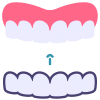
Fitting:
Your unique TMJ splint is inserted and adjusted for fit and comfort.

Physiotherapy:
Your physiotherapist supports you as you get used to wearing the splint.

Dental review:
Periodic reviews help to gauge progress, optimise comfort and function and refine the fit as necessary (bring your splint to each review).

Care and maintenance
It’s important to look after your splint by:
- Rinsing it each morning
- Use a soft-bristled toothbrush to remove any debris
- Rinse it under running water
- Leave it to air dry.
Your dentist can provide more detailed advice about caring for your splint, including the use of cleaning tablets or devices.
Living well with TMJ
A customised dental splint is usually one part of an overall TMJ treatment plan that may include:
- Physiotherapy exercises to ease jaw tension and address any posture issues
- Dietary changes, such as focusing on soft foods that are easier to chew
- Medical treatments
- Lifestyle changes to ease stress.
FAQs
What is a TMJ splint?
A TMJ splint is a custom dental appliance worn over the teeth to help manage jaw-related symptoms and protect teeth from grinding. At TMJ Clinics, it’s used as part of a broader treatment plan delivered by a multidisciplinary team.
How does a splint help TMJ?
A splint helps to prevent you from clenching your jaw muscles and grinding your teeth while you sleep. The splint holds your jaw in place reducing the forces applied to your joint cartilage, distributes force more evenly, and reduces the risk of tooth wear from grinding.
How long does it take for a TMJ splint to work?
Timeframes vary. Some people notice change within weeks, while others require several months with regular review and concurrent conservative measures.
What does a TMJ splint look like?
Typically a clear, full-coverage, custom-made appliance for the upper or lower teeth that is adjusted for comfort and balanced contacts.
Does a TMJ splint change your face?
Not usually. Splints are not designed to change facial appearance, they’re designed to hold your jaw in a better position and to reduce muscle tension or teeth grinding.
Will I need surgery for TMJ disorder?
That’s highly unlikely. While our team does include highly experienced surgeons, we manage most patients using a comprehensive, conservative treatment plan that may include dental splints, muscle-relaxing injections and physiotherapy.
What else can I do at home?
Many people benefit from jaw exercises, a softer diet during flares, posture correction, stress-management techniques and heat or cold packs.
When to contact TMJ Clinics
Consider booking if your jaw pain persists or worsens, you experience jaw locking or limited movement, you have frequent headaches, facial pain or ear symptoms, self-care has not helped, or you suspect clenching or grinding.